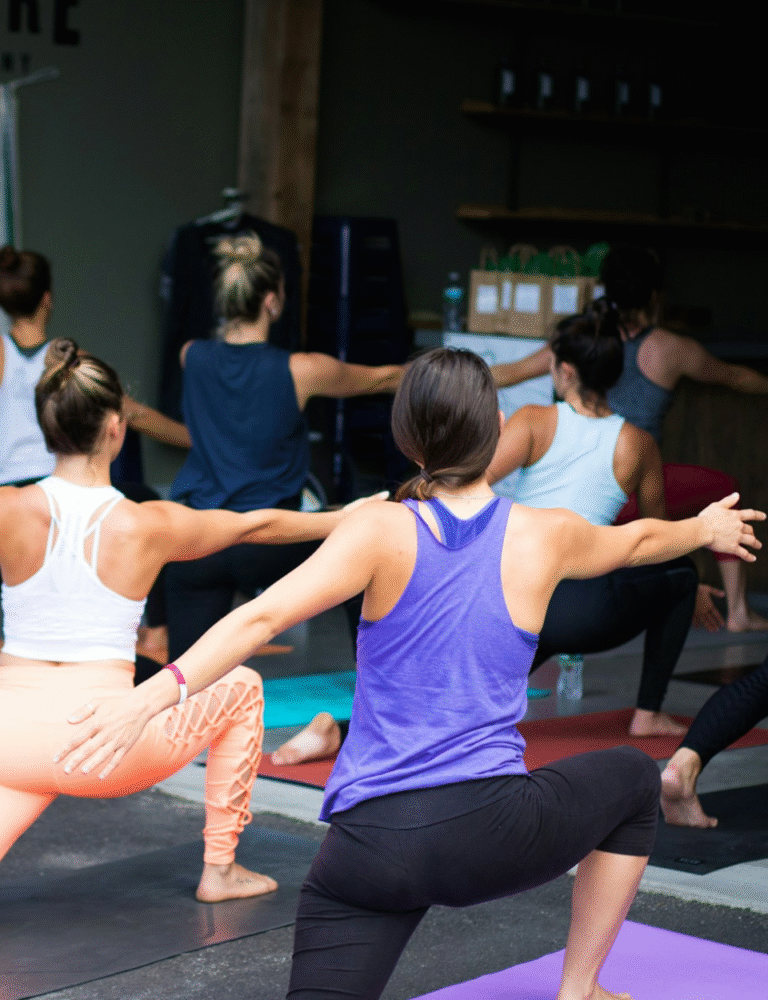
What Is Vin Yin Yoga?
Yoga has evolved into many different forms, each meeting the needs of modern practitioners in unique ways. One of the most popular hybrids to emerge in recent years is Vin Yin Yoga, a practice that blends the dynamic flow of vinyasa with the deep stillness of yin.
This combination offers the best of both worlds. Vinyasa builds heat, strength, and focus through continuous movement, while yin invites you to slow down, soften, and hold postures long enough to release deep layers of tension. Together, they create a class that feels both energizing and restorative, balancing the body and calming the mind.
Introduction to Vin Yin Yoga
Vin Yin yoga is a hybrid style that blends two very different approaches into a single class. The “Vin” refers to vinyasa yoga, a dynamic and flowing practice where breath links one posture to the next. Vinyasa is often described as yang in nature, active, heating, and strength-building.
The “Yin” refers to yin yoga, a still, meditative practice where poses are held for several minutes to target fascia, joints, and connective tissues. Yin is the counterbalance, cooling, grounding, and introspective.
In a typical Vin Yin class, the session begins with vinyasa to warm the body, build circulation, and create energy. Once that heat is established, the pace slows and students settle into yin postures that encourage release, recovery, and mental stillness. The result is a practice that offers both physical exertion and deep relaxation in a single experience.
Vin Yin is especially appealing because it provides a sense of balance. Rather than choosing between movement and stillness, practitioners receive both, making it a well-rounded option for those with busy schedules or anyone seeking harmony between effort and ease.
Benefits of Vin Yin Yoga
Vin Yin yoga is designed to balance opposites, bringing together the energizing qualities of vinyasa with the restorative depth of yin. Practitioners often find that the combination creates unique benefits that neither style provides alone.
Builds strength and mobility
The vinyasa portion of the practice strengthens muscles, builds stamina, and improves cardiovascular health, while the yin portion increases joint mobility and fascia health. Together, they support both power and flexibility.
Balances the nervous system
Vinyasa stimulates and energizes, activating the sympathetic nervous system. Yin slows everything down, inviting the parasympathetic response for rest and recovery. In one class, you move from alertness to calm, training the nervous system to adapt with ease.
Supports recovery and performance
For athletes or those with active lifestyles, Vin Yin yoga is especially effective. Flowing movement builds resilience, while yin poses target common areas of tension such as hips, hamstrings, and spine, supporting faster recovery.
Time-efficient
Many people feel they have to choose between a strong, sweaty class and a deeply restorative one. Vin Yin offers both in a single session, making it a practical choice for busy schedules.
Mental clarity and focus
The shift from activity to stillness mirrors the rhythm of daily life, helping practitioners practice letting go, quieting the mind, and cultivating focus.
Teaching Vin Yin Yoga
Teaching Vin Yin yoga requires understanding the balance of opposites and guiding students smoothly from movement into stillness. The key is creating a class that flows naturally while honoring the unique benefits of both styles.
Start with flow
Begin with 15 to 25 minutes of vinyasa to build heat and prepare the body. This can include Sun Salutations, standing poses like Warrior II or Triangle, and gentle backbends. The aim is not to exhaust but to warm up and energize.
Transition mindfully
Rather than stopping abruptly, use slower flows or grounding postures such as Child’s Pose to help students shift gears. Encourage them to notice the contrast as their heart rate slows and their breath deepens.
Settle into yin
Once the body is warm, guide students into yin poses. Butterfly, Dragon, Shoelace, and Sphinx are excellent choices, targeting the hips, spine, and legs—areas that respond well after vinyasa movement. Each pose can be held for three to five minutes, with plenty of props to support comfort.
Cue awareness, not achievement
Remind students that yin is not about depth but about stillness and sensation. Encourage them to stay present with their breath and notice the difference between effort and release.
Close with rest
Always end with Savasana, giving students time to integrate both the energy of vinyasa and the calm of yin. A few minutes of guided breathwork or meditation can deepen the sense of balance.
Teaching Vin Yin is about weaving contrast into harmony, helping students experience strength and softness, effort and ease, within a single class.
Who Should Try Vin Yin Yoga?
Vin Yin yoga is accessible to a wide range of practitioners because it blends two styles that complement each other beautifully. Still, it may be especially appealing to certain groups.
Busy people with limited time
If you often struggle to choose between an active class and a restorative one, Vin Yin provides both in a single session. It’s efficient without feeling rushed.
Athletes and active movers
Those who run, cycle, or do strength training benefit from the balance of muscle activation in vinyasa followed by fascia release in yin. The combination supports performance while reducing injury risk.
Yin lovers who want more movement
If you already enjoy yin yoga but sometimes crave a little more energy or heat, Vin Yin offers variety while maintaining the meditative qualities you value.
Vinyasa practitioners seeking balance
For those who love the dynamics of flow but rarely slow down, Vin Yin creates space for introspection, deeper stretching, and rest.
Sample Vin Yin Yoga Sequence
This 45–60 minute Vin Yin sequence blends heat-building vinyasa with cooling yin postures, giving you strength, stretch, and stillness in one practice.
Vinyasa Flow (20–25 minutes)
- Sun Salutations (3–4 rounds) – Warm up the body, link breath with movement.
- Warrior II – Build strength in the legs and cultivate focus.
- Triangle Pose – Stretch the side body and improve balance.
- Crescent Lunge – Energize the body and open the hip flexors.
- Gentle Backbend (Low Cobra or Bridge) – Expand the chest and prepare for stillness.
Transition (2–3 minutes)
- Child’s Pose – Rest and allow the breath and heart rate to slow.
Yin Practice (20–25 minutes)
- Butterfly Pose (3 minutes) – Open the hips and release the lower back.
- Dragon Pose (3 minutes each side) – Deep stretch for hip flexors and quads.
- Shoelace Pose (3 minutes each side) – Target outer hips and IT band.
- Sphinx Pose (3 minutes) – Gentle backbend to release the spine.
- Spinal Twist (3 minutes each side) – Soften the spine and support digestion.
Closing (5 minutes)
- Savasana (Pentacle) – Lie back with arms and legs relaxed wide, allowing the body to fully integrate the practice.