rachael true yin yoga

YIN YOGA FOR Busy, Stressed out humans

If your nervous system is stuck in “on” mode and your body feels chronically tense, it’s not a willpower problem. And you’re not broken!

When traditional yoga, workouts, or stress hacks fall short, functional yin yoga offers a slower, smarter way to regulate your nervous system, improve flexibility, and help you move through your daily life with more ease and calm.

Do THESE sound FAMILIAR?

My brain won’t shut up!

Your brain won’t stop rehashing emails, to-do lists, and that thing you said at a party back in 2013.

Laptop life is killing me

You have tight hips, stiff shoulders, and a spine that’s now a permanent shrimp shape.

Stress is MY middle name

You run on coffee, deadlines, and tension. Relaxing feels like another task you don’t have time for.

I look calm, but anxiety rules

You’re keeping it together on the outside, but the inside feels more like a squirrel circus.

My Hamstrings hate me

Touch your toes? More like touch your knees and call it a win. Flexibility is a distant memory.

I’m exhausted, but i keep going

You body is aching, and your mind is foggy, but at least you found that missing sock.

well. . .

I’ve been there too

I know what it’s like to work long hours, be a single parent, feel constantly tense, and struggle with panic disorder and anxiety. Being human is a nightmare!

As a 50-year old who runs two businesses and travels constantly, I’ve learned how slow, intentional yin yoga and breath training can help calm the mind, stretch out the body, and bring back a sense of emotional balance, because I’ve lived it myself.

Trust me, it can get better!

Imagine if…
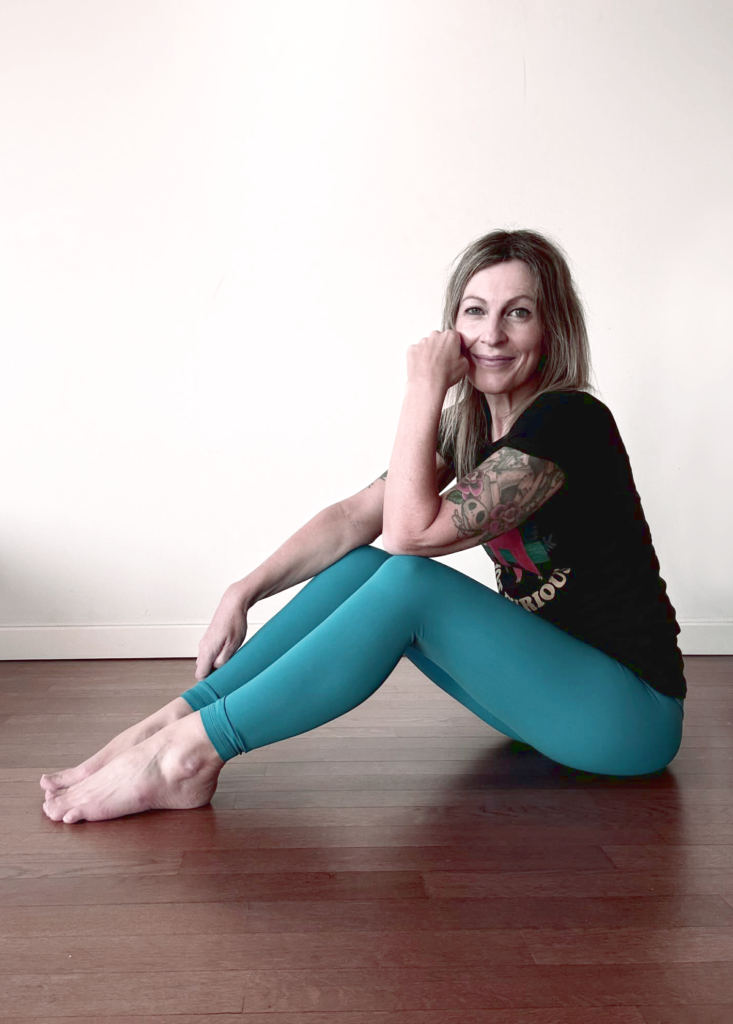
  • Your mind could slow down, and you actually felt calm and present during your day
  • You could sit, stand, and bend without second-guessing every move
  • You could feel more resilient, and ready to take on any challenges that come your way
rachael true yin yoga 2

the yin yoga process

What makes it different?

slow & intentional

Yin is designed for real bodies, busy lives, and stressed nervous systems. You move into each pose gently, giving your muscles and connective tissue time to release.

deep & effective

Poses are held long enough to work on your fascia and ligaments, easing tension and calming the nervous system.

simple & accessible

Clear guidance makes it easy to follow, whether you’re brand new to yoga or have years of experience.

Here’s what people notice after yin classes

Frequently asked questionS

Absolutely. Yin is one of the most beginner-friendly styles of yoga because it’s slow, simple, and doesn’t require memorizing fast, complicated sequences or flipping upside down. I’ll guide you through each pose in plain English, no Sanskrit or complicated cues. All you need is a willingness to pause, breathe, and let your body unwind.

The basics – a blanket or yoga mat, plus a couple of pillows or firm cushions. If you’ve got yoga blocks or a bolster, that’s great, but you can always use books, duvets, or whatever’s lying around your house. Yin isn’t about buying fancy gear, it’s about making yourself comfortable enough to stay still.

Most of my classes are around 20-30 minutes — short enough to squeeze in on a busy day, but long enough to make a real difference. Some are even 10–15 minutes for when you’re tight on time (or patience). You don’t need a 90-minute session to feel the benefits of yin yoga. Consistency matters more than duration.

Nope! I’m a yoga teacher and I’m still inflexible in a lot of places! Yin yoga is about meeting your body where it’s at, not forcing it into pretzel shapes. If you’re stiff, tight, or spend most of your day at a desk, you’re actually the perfect candidate. Flexibility isn’t the starting line, it’s one of the amazing results that comes with time.

Most yoga you see online is yang yoga. It’s faster, stronger, and more about muscles. Yin is the opposite: slow, still, and focused on your deeper connective tissues. Instead of flowing through poses, you stay in them longer, which helps release tension, improve mobility, and calm your nervous system. It’s less about burning calories or aesthetics, and more about feeling human again.

Yes – and yin is often recommended for exactly that. Because it’s slow, floor-based, and there are no inversions, it’s easier on your body than many other styles of yoga. And as it targets both the body and the nervous system, it can help you feel calmer, safer, and more at ease. You’re always in control, and you can adjust or come out of a pose whenever you need to.

No – yin should feel like gentle stress on the tissues, not pain. You might notice sensations in your hips, back, or shoulders, but it should never be sharp or overwhelming. Think of it as “good discomfort,” like a deep satisfying stretch, not something you need to suffer through.

Some people notice better sleep or less stress after just one class. Physical changes, like improved mood, easier movement, or fewer aches, build with consistency. The biggest result? You’ll start to feel like your body and mind are working with you, not against you.

You can practice yin every day if you like, it’s that gentle. Most people start with 2–3 sessions a week and notice big changes in how they feel. The key is listening to your body. Some days you might want a full class, other days just practicing a few of your favourite poses is enough.